Why Edible Chocolate Bars Are a Top Choice for Cannabis Infusions
When I first started exploring cannabis-infused edibles, I quickly learned that not all products are created equal. The texture, the taste, and the way the active compounds interact with your body can vary wildly from one brand to another. Over time, I found myself gravitating toward one category more than any other: edible chocolate bars. There is something about the way chocolate carries flavors and masks the often-herbal notes of cannabis that feels almost like culinary alchemy. And the range available today, from dark chocolate to milk chocolate and even white chocolate varieties, means there is something for every palate.
Chocolate has a long history as a delivery vehicle for medicinal compounds. The ancient Mesoamericans used cacao in ceremonial drinks, and modern science has confirmed that the fats in chocolate help the body absorb certain compounds more efficiently. For cannabis-infused edibles, this pairing is especially valuable. The lipids in cocoa butter bind with cannabinoids, making the effects more predictable and the onset smoother than with many other formats. This is one reason why edible chocolate bars remain a staple on the edibles menu at shops like Kush Station, where quality and consistency are top priorities.
The Art of Infusion: From Bean to Bar
Creating a high-quality infused chocolate bar is more complex than it sounds. It starts with the base chocolate. Many artisanal chocolates use organic cacao sourced from single-origin farms, which gives the final product a more nuanced flavor profile. The choice between dark chocolate, milk chocolate, and white chocolate affects not only taste but also how the infusion behaves. Dark chocolate has a higher cocoa butter content, which can carry THC or CBD more evenly. Milk chocolate adds dairy solids that create a creamier texture, and white chocolate, made from cocoa butter and sugar, offers a blank canvas for more delicate flavor additions.
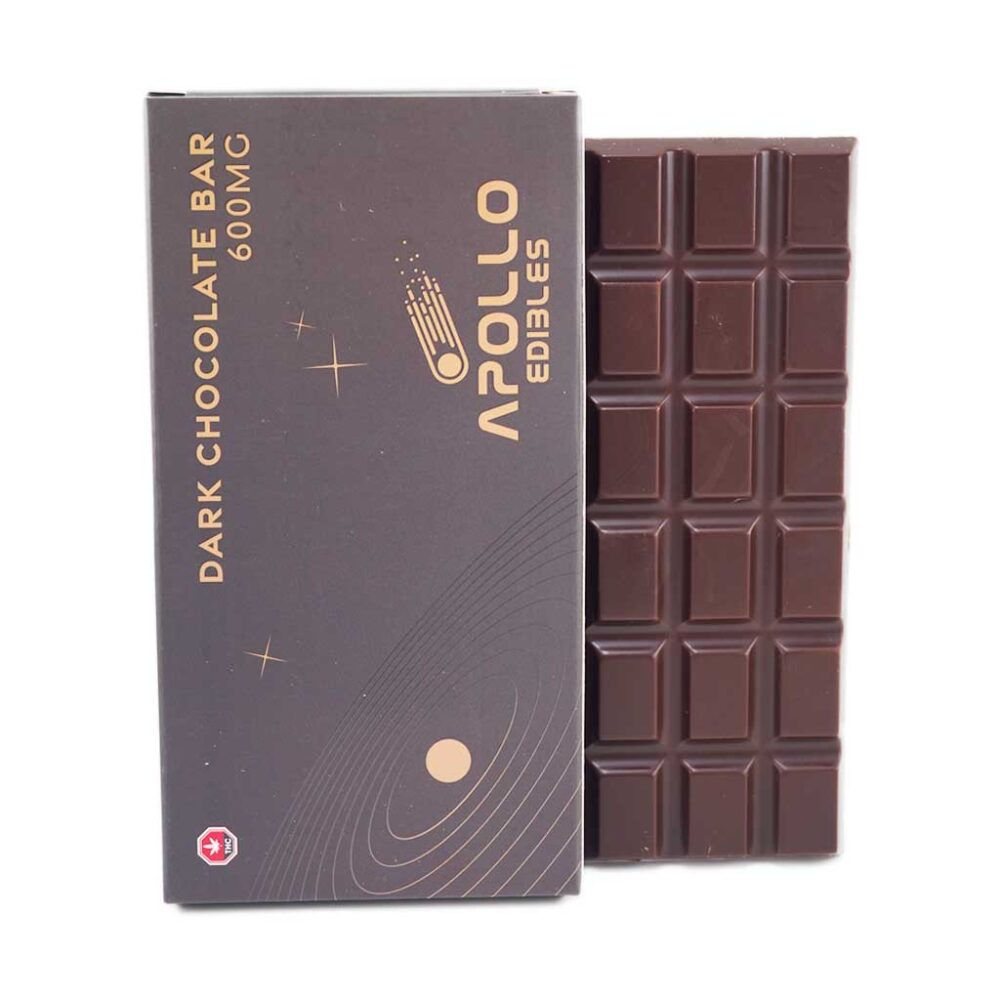
Then comes the infusion itself. For THC chocolate, the cannabis extract is usually a concentrated oil or distillate. The maker must heat it gently to activate the cannabinoids without degrading the terpenes that give the plant its aroma and character. This is where the skill of the chocolatier really shows. A well-made bar will have a consistent dose across every square, and the taste of the cannabis should be subtle, not overpowering. I have tried some CBD chocolate bars that taste like licking a pine tree, but the best ones let the chocolate shine while the hemp extract adds a quiet earthiness in the background.
Dosing with Confidence: The Role of Packaging and Guides
One of the biggest challenges with cannabis-infused edibles is figuring out how much to take. Too little and you feel nothing; too much and you might have an uncomfortable evening. That is why edibles packaging has become so important. Good packaging includes clear information about the total milligrams of THC or CBD, the number of servings in the bar, and sometimes even a suggested dose per piece. Some brands now include a dosing guide on the wrapper or inside the box, which is a huge help for both new and experienced users.
Microdosing is another trend that has made edible chocolate bars more popular. Many people want the subtle benefits of cannabinoids without getting high. A small square of a low-dose dark chocolate bar, for example, might contain just 2.5 milligrams of THC, enough to take the edge off a stressful afternoon without impairing your focus. For those looking for a more pronounced experience, gourmet chocolate bars with higher concentrations offer a reliable way to enjoy the effects without having to guess or measure.
What to Look for on the Label
When you are shopping for an infused chocolate bar, whether online at a dispensary-quality retailer like Kush Station or at a local shop, there are a few key details to check:
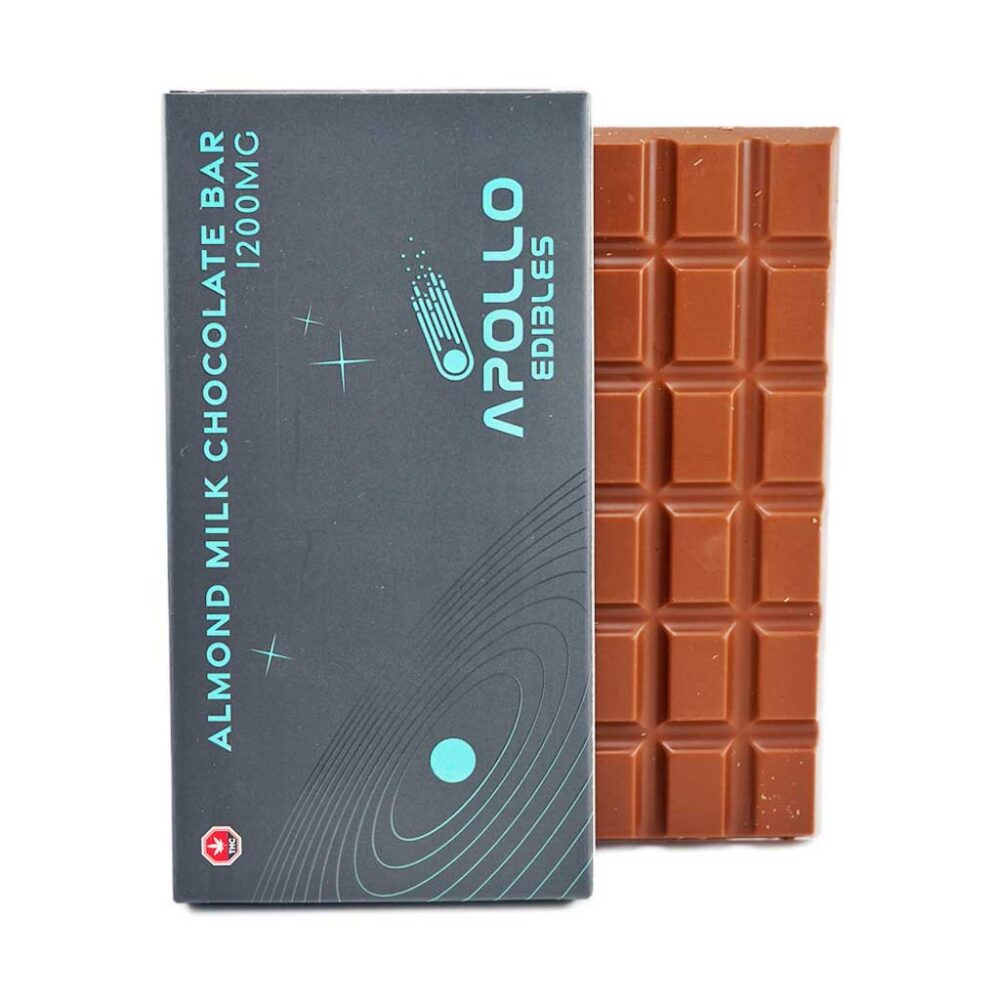
- Total cannabinoid content: Look for the exact milligrams of THC and/or CBD per bar.
- Serving size: How many squares or grams count as one serving.
- Type of chocolate: Dark, milk, or white - each affects flavor and absorption.
- Ingredients list: Check for organic cacao, natural sweeteners, and any allergens.
- Third-party testing: Reputable brands share lab results to confirm potency and purity.
Beyond the Standard Bar: Truffles and Vegan Options
Not all infused chocolates come in a classic bar shape. Chocolate truffles have become a favorite for those who want a more decadent experience. A truffle can incorporate a ganache center infused with cannabis extract, often rolled in cocoa powder or chopped nuts. The texture is richer, and the dose is often more concentrated per piece. For people who follow a plant-based diet, vegan chocolate bars are widely available now. They replace dairy with alternatives like coconut milk powder or almond milk, and they still deliver the same smooth infusion. I have tried a few vegan versions that use organic cacao and agave instead of sugar, and they taste just as good as traditional milk chocolate bars.
Another interesting development is the use of specific terpenes to create distinct effects. Some brands add limonene for a citrusy lift or myrcene for a more relaxing, sedative feel. These additions can make edible chocolate bars feel almost like a customizable experience, where you choose not just the dose but also the character of the experience. That level of detail is something you rarely find in other forms of cannabis edibles, like gummies or baked goods.
Practical Tips for First-Time Users
If you are new to cannabis-infused edibles, starting with an edible chocolate bar is a smart move. The familiar taste makes the experience less intimidating, and the uniform dosing in each square takes the guesswork out of portioning. Here are a few things I have learned from my own early experiments:
- Start low and go slow. Begin with a quarter or half of a square, especially if the bar contains THC. Wait at least 90 minutes before taking more.
- Eat something with fat. A small snack like nuts or cheese can help your body absorb the cannabinoids more effectively.
- Store your chocolate properly. Keep it in a cool, dark place to preserve the terpenes and prevent the chocolate from blooming.
- Check the date. Edibles can lose potency over time, especially if the packaging has been opened.
- Keep the original packaging. The edibles packaging includes the dosing guide and lab results, which are useful if you have questions later.
The Future of Infused Chocolate
As the market for cannabis-infused edibles continues to grow, I expect to see even more innovation in the chocolate category. Already, we are seeing bars that combine CBD and THC in specific ratios for balanced effects, and others that use hemp extract for a broader spectrum of cannabinoids. The focus on organic cacao and sustainable sourcing is also becoming more common, which is good for both the planet and the quality of the final product. Kush Station and similar retailers are curating their edibles menus carefully, offering only those bars that meet a high standard for taste and consistency.
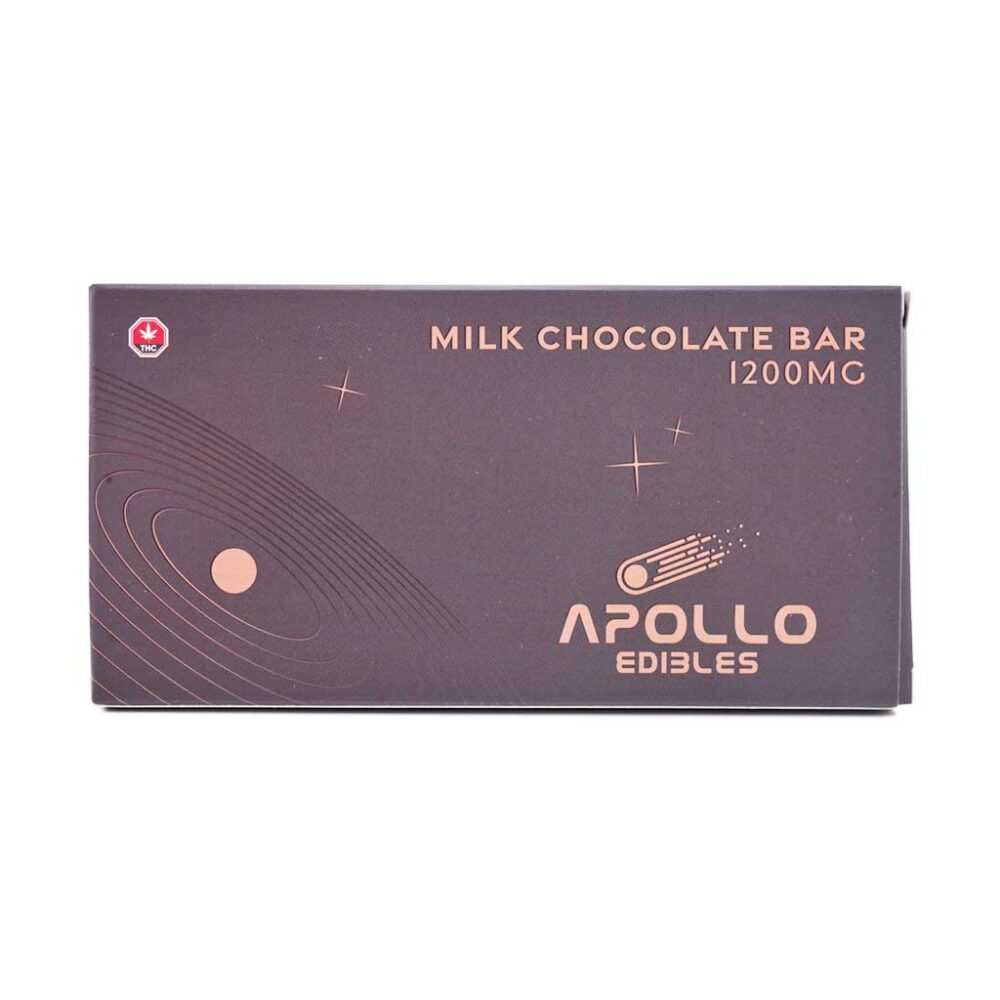
For anyone who enjoys chocolate and is curious about the benefits of cannabis, edible chocolate bars represent one of the most enjoyable ways to explore that intersection. They combine the comfort of a familiar treat with the precision of modern infusion techniques. Whether you prefer the bold bitterness of dark chocolate, the creamy sweetness of milk chocolate, or the buttery notes of white chocolate, there is a bar out there that fits your taste and your dosing needs. And with the guidance of a good retailer and a reliable dosing guide, the experience can be both safe and delightful.